Beach & Lake First-Aid Kit for Kids: What to Pack
Beach and lake first-aid kit for a child: waterproof plasters, SPF, grazes, stings, water in the ear and safety by the water and at the lake. A packing list.
A lakeside beach, a hot afternoon, your child has just run off the jetty and scraped a foot on a plank. A moment later there is sand in an eye and a wasp sting by the sandwiches. You reach into the bag, and there is sunscreen and a towel, but no plaster, and the one that was there has gone soggy. A day by the water with a child can generate three little “crises” in five minutes, and it is good to be ready for them.
A first-aid kit for the water is not the same as one for home, or even for camping. Here you are dealing with water, wet sand, strong sun, and a child who is hard to keep an eye on. This guide is a packing list plus a few notes on safety, all from the organizational side, without getting into treatment, because that stays in the hands of a doctor and a lifeguard. It is a complement to your general summer medicine kit, focused on the beach and the bathing spot.
How a water first-aid kit differs from an ordinary one
- Water and wet sand — an ordinary plaster peels off after the first swim, so you choose waterproof ones.
- Strong sun — by the water, radiation reflects off the surface and the sand, so sun protection is a basic, not an add-on.
- A child — more grazes, stings, sand in eyes and water in ears.
- No signal or the bag far away — your child’s medicine list should be available offline too.
Sun and water
The most common problem by the water is not a cut but the sun. It is worth having:
- sunscreen (SPF) suited to your child and reapplied after a swim,
- a hat and a UV-protective shirt as the first layer of protection,
- something to soothe sunburn,
- electrolytes and water — in the heat a child dehydrates faster.
Remember that sunscreen has an expiry date and a period after opening; how to read them is something we cover in the piece on packaging markings. Sunscreen opened last summer may no longer protect the way it should.
Grazes, cuts, splinters
A jetty, rocks, shells and planks are typical sources of minor injuries by the water. To pack:
- waterproof plasters in several sizes,
- sterile dressings and a bandage,
- an antiseptic,
- tweezers (for splinters), small scissors, disposable gloves.
This is kit for dressing a minor injury. For a deep wound, one that is bleeding heavily or is contaminated, do not improvise, seek help.
Insects and stings
Wasps swarm by the water, especially around food. Something to soothe bites and something to cool the spot will come in handy.
One thing matters more than the rest of the first-aid kit put together: if symptoms of a strong reaction appear after a sting — shortness of breath, swelling of the face or throat, weakness — call 112 immediately. A first-aid kit is not for treating allergic reactions; it is for minor bites.
Water in the ear, sand in the eye
A classic by the water. Dry the ear gently by tilting the head — do not put cotton buds in. You can rinse the eye with saline or clean water; it is worth keeping some in the bag. If pain, redness, reduced hearing or discomfort persists, contact a doctor. These are situations where a first-aid kit helps at the start but does not replace an examination.
Your child’s regular medicines
If your child takes medicines on a regular basis, this is the most important item on the list for parents:
- check the state of the packs before you leave — a low-stock alert helps you spot what is about to run out,
- take a supply plus a reserve,
- keep your child’s medicine list and a shared family list available offline, so every carer (grandparents, the other family on a shared trip) knows what your child takes, even with no signal on the beach.
And before you pack the whole kit, check the expiry dates — sunscreen, saline and the soothing product expire too.
Safety by the water — more important than the kit
This is not the medical part, but it is the part that saves the most: by the water, the most important things are constant supervision of your child and the presence of a lifeguard. A few organizational rules:
- use supervised bathing areas and check their status in the Bathing Water Service run by the Chief Sanitary Inspectorate (GIS) (information on water quality),
- agree who is “watching” the child at any given moment — with several adults, responsibility easily gets diffused,
- keep the number 112 to hand and know where the nearest lifeguard is.
No first-aid kit can replace these three things.
What a water first-aid kit cannot replace
A first-aid kit is equipment for minor first aid and for organizing your child’s medicines — not for treatment and not for water rescue. In the case of near-drowning, loss of consciousness, a strong allergic reaction or a serious injury, call 112 and shout for a lifeguard. A first-aid kit helps with a grazed knee; it does not replace medical care.
A short by-the-water list with a child
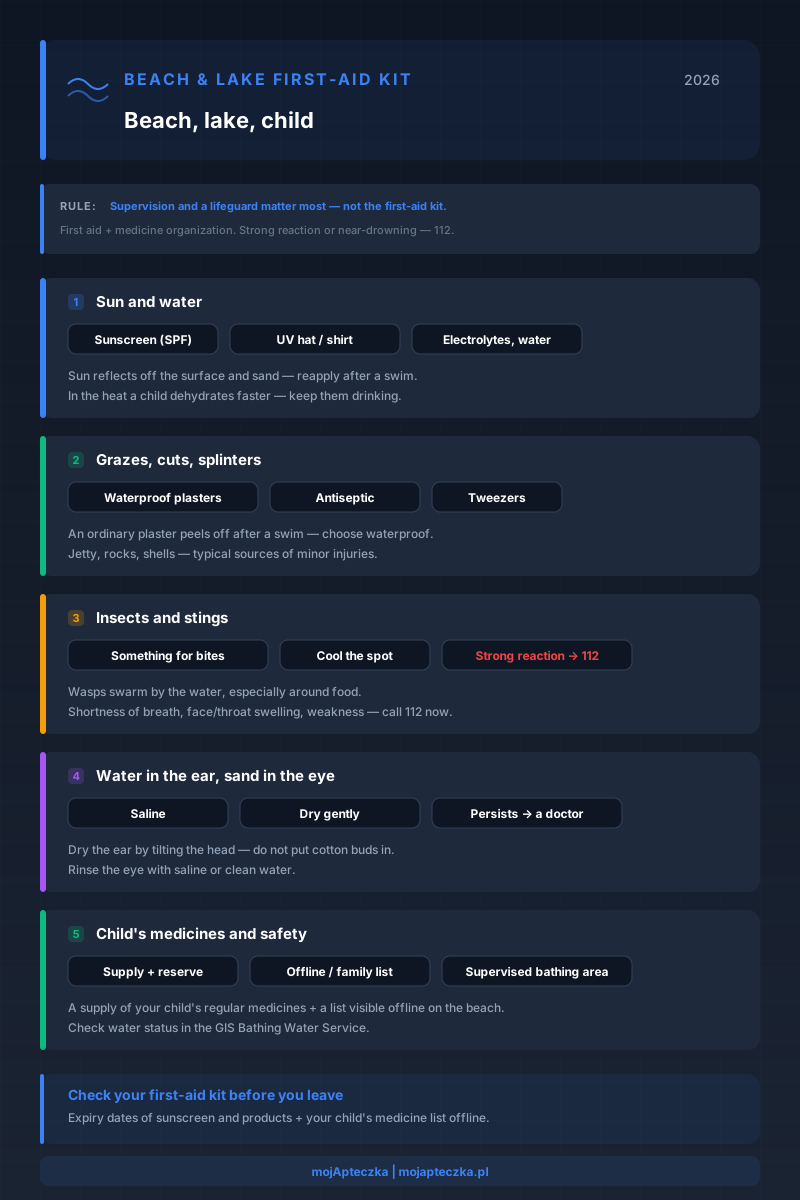
- Sun: sunscreen (reapplied), UV hat/shirt, something for sunburn, electrolytes, water.
- Wounds: waterproof plasters, dressings, antiseptic, tweezers, scissors.
- Insects: something to soothe bites; strong reaction → 112.
- Eyes/ears: saline, gentle drying; symptoms persist → a doctor.
- Your child’s medicines: supply + reserve, offline list, shared family list.
- Safety: supervised bathing area, supervision, 112.
A well-packed bag means a scraped foot or a wasp sting is a short break, not the end of the day by the water. And what really matters — a watchful eye on your child — stays with you.
Listen to the podcast: Episode 10 — “A beach kit for a child” — a conversation between Tomasz and Iza about what to pack by the water, why last summer’s sunscreen can be a problem, and how the app keeps expiry dates and the child’s medication list in order. The most important things still stay with you: a watchful eye, a supervised bathing area and 112. Also available on YouTube.
Frequently asked questions
- What should I pack in a beach first-aid kit for a child?
- The basics are sun protection (sunscreen, a hat), waterproof plasters and dressings, an antiseptic, something to soothe insect bites, saline for rinsing eyes, electrolytes and water, plus a supply of your child's regular medicines. Tailor the exact contents to your child's age and the place; if in doubt, ask your pharmacist.
- Why are waterproof plasters better by the water?
- Because an ordinary plaster peels off after a swim or once your child gets sweaty, and stops protecting the wound. Waterproof plasters hold up better in contact with water and sand. It is a practical matter: you pack for conditions by the water, not for the living room.
- What do I do if my child gets water in the ear or sand in the eye?
- Dry the ear gently by tilting the head; do not put cotton buds in. You can rinse the eye with saline or clean water. If pain, redness, reduced hearing or discomfort persists, contact a doctor. A first-aid kit helps with minor situations; it does not replace an examination.
- What about a wasp or bee sting by the water?
- For a single sting it helps to cool the spot and use something to soothe bites. But if symptoms of a strong reaction appear — shortness of breath, swelling of the face or throat, weakness — call 112 immediately. A first-aid kit is not for treating allergic reactions.
- How do I avoid forgetting my child's regular medicines on a trip to the water?
- Check the state of the packs before you leave and take a supply plus a reserve. It helps to keep your child's medicine list on your phone, visible offline too, along with a shared family list, so every carer knows what your child takes and when, even with no signal on the beach.
- Where can I check whether a bathing spot is safe?
- Use supervised bathing areas and check their status in the Bathing Water Service run by the Chief Sanitary Inspectorate (GIS), which publishes information on water quality. By the water, the most important things are constant supervision of your child and the presence of a lifeguard — that matters more than any first-aid kit.