Can You Mix Medicines with Alcohol? A Practical Guide
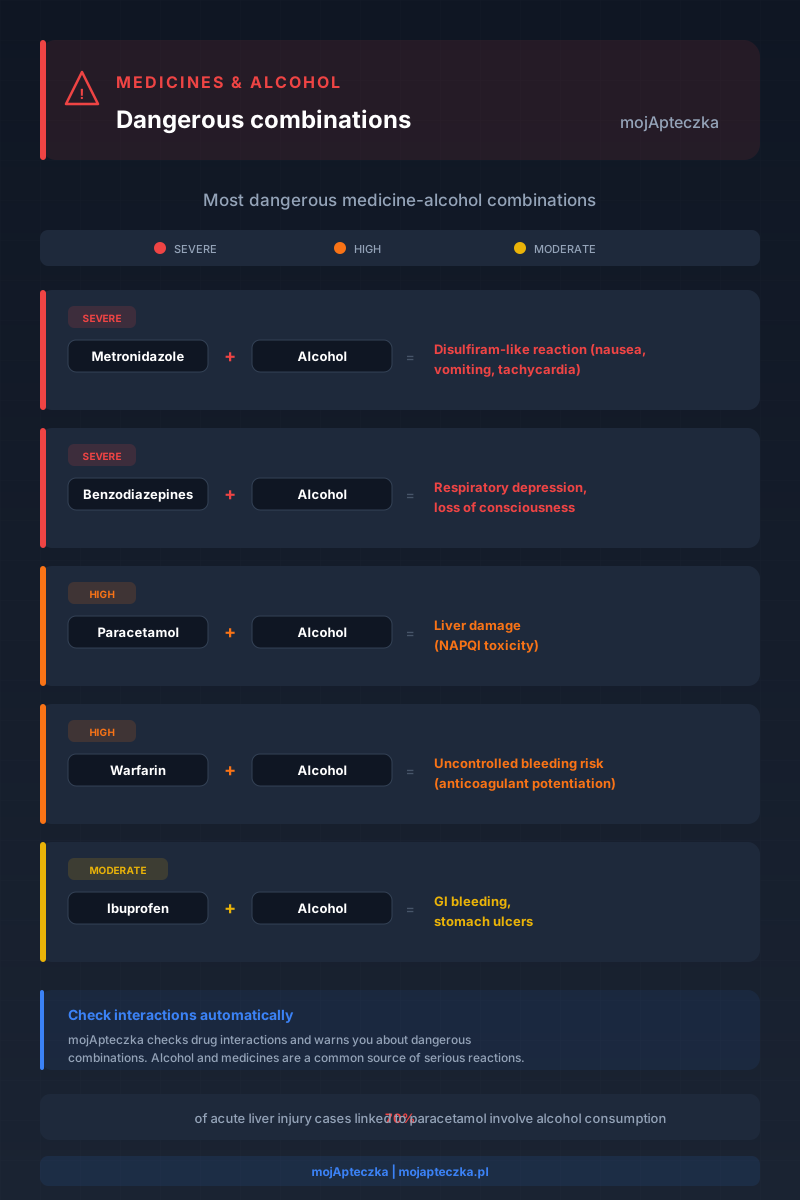
“Can I have a glass of wine with this medicine?” It is one of the most common questions people ask — and one of the most commonly answered with a shrug. The standard advice is “better not to,” which tells you nothing about the actual risk. Is it a minor nuisance or a trip to A&E?
The truth is that alcohol interacts with medicines through specific, well-understood mechanisms. Some combinations are genuinely dangerous. Others are less risky than people assume. This guide explains the pharmacology in plain language, names the medicines that matter, and tells you how to check your own medicines before you pour that drink.
Why Alcohol Interacts with Medicines
Alcohol is not just a social drink — it is a pharmacologically active substance that your body must metabolise like any other drug. Understanding why it clashes with so many medicines comes down to three mechanisms.
The Liver Bottleneck: Cytochrome P450 Enzymes
Your liver breaks down both alcohol and most medicines using a family of enzymes called cytochrome P450 (CYP450). The most relevant members are CYP2E1 (the primary enzyme for alcohol) and CYP3A4 (the enzyme responsible for metabolising roughly half of all medicines on the market).
When you drink alcohol, these enzymes are occupied processing ethanol. If you take a medicine at the same time, the drug may have to “wait in line.” The result is that the medicine stays in your bloodstream longer and at higher concentrations than intended — essentially, you have accidentally overdosed.
Chronic drinking does the opposite. Regular alcohol consumption induces (ramps up the production of) certain CYP enzymes, particularly CYP2E1. This means the liver processes some drugs faster than normal, reducing their effectiveness. It also means that certain metabolic pathways that produce toxic byproducts — like the conversion of paracetamol into the liver-damaging compound NAPQI — are accelerated.
This is why the same medicine-alcohol combination can produce different outcomes in an occasional drinker versus a regular drinker. The pharmacology is context-dependent.
Additive CNS Depression
Alcohol is a central nervous system (CNS) depressant. It slows brain activity, reduces reflexes, and at high enough doses suppresses breathing. Many common medicines are also CNS depressants — benzodiazepines, opioids, sleep aids, first-generation antihistamines, certain antidepressants, muscle relaxants.
When you combine two CNS depressants, the effect is not simply additive — it can be synergistic. Two substances that are each mildly sedating on their own can together produce dangerous levels of sedation, respiratory depression, or loss of consciousness. This is the mechanism behind the majority of fatal medicine-alcohol interactions.
Gastrointestinal Effects
Alcohol irritates the stomach lining. So do NSAIDs (ibuprofen, naproxen, aspirin) and corticosteroids. Combine them, and you significantly increase the risk of gastric erosion, ulceration, and gastrointestinal bleeding. Alcohol also increases stomach acid production, which can reduce the absorption of certain drugs and exacerbate conditions like GERD.
Medicines You Must Never Combine with Alcohol
Some combinations carry risks so severe that the answer is unequivocal: do not drink at all while taking these medicines.
Metronidazole and Tinidazole
These antibiotics, commonly prescribed for dental infections, bacterial vaginosis, and certain parasitic infections, cause a disulfiram-like reaction when combined with alcohol. The mechanism: they block the enzyme aldehyde dehydrogenase, which is responsible for breaking down acetaldehyde — a toxic intermediate product of alcohol metabolism.
The result is rapid accumulation of acetaldehyde in your blood. Within minutes of drinking even a small amount of alcohol, you can experience severe nausea, violent vomiting, flushing, headache, rapid heartbeat, and abdominal cramps. The reaction is not subtle. It is designed to be punishing — disulfiram (Antabuse), the drug used to treat alcohol dependence, works by the same mechanism on purpose.
How long to wait: Metronidazole has a half-life of about 8 hours, but the enzyme inhibition can persist. The standard recommendation is to avoid alcohol for at least 48 hours after your last dose — some sources recommend 72 hours.
Benzodiazepines, Sleep Aids, and Opioids
This is the most dangerous category. Benzodiazepines (diazepam, alprazolam, lorazepam), Z-drugs (zolpidem, zopiclone), and opioid painkillers (tramadol, codeine, oxycodone, morphine) are all CNS depressants. Combined with alcohol — another CNS depressant — the risk of fatal respiratory depression is real and well-documented.
This is not theoretical. Accidental overdose deaths involving opioids and alcohol are a significant public health problem. Even prescription doses of these medicines, combined with moderate alcohol consumption, can suppress breathing enough to be life-threatening, particularly during sleep.
The rule is absolute: Do not drink any alcohol while taking benzodiazepines, Z-drugs, or opioid painkillers.
Warfarin and Other Anticoagulants
Warfarin has one of the narrowest therapeutic windows of any commonly prescribed medicine. Too little and it does not prevent clots. Too much and you bleed uncontrollably. Alcohol disrupts this balance in both directions.
Acute alcohol intake (a single heavy drinking session) inhibits warfarin metabolism, increasing its blood-thinning effect and the risk of haemorrhage. Chronic alcohol consumption induces the enzymes that break warfarin down, potentially reducing its effectiveness and leaving you unprotected against clots.
Additionally, alcohol increases the risk of falls, and a fall while on anticoagulants can cause internal bleeding — particularly dangerous in the brain (subdural haematoma).
If you take warfarin: small, consistent amounts of alcohol may be tolerated under medical supervision, but binge drinking is categorically dangerous. Discuss your specific situation with your anticoagulant clinic.
Antidepressants
The interaction depends on the class of antidepressant:
- MAOIs (phenelzine, tranylcypromine) — the most dangerous. MAOIs inhibit the enzyme that breaks down tyramine, a substance found in fermented drinks including beer and wine. Tyramine accumulation can cause a hypertensive crisis — a sudden, dangerous spike in blood pressure that can lead to stroke. This is a medical emergency.
- SSRIs and SNRIs (sertraline, fluoxetine, venlafaxine) — alcohol worsens depression, counteracting the medicine’s purpose. It also amplifies drowsiness and impairs judgement. While the interaction is not as acutely dangerous as with MAOIs, regular drinking on antidepressants undermines treatment and increases suicide risk.
- Tricyclic antidepressants (amitriptyline, nortriptyline) — these have sedative properties of their own. Alcohol amplifies the sedation and can cause dangerous drops in blood pressure (orthostatic hypotension), increasing fall risk.
Diabetes Medicines
Metformin combined with heavy alcohol consumption increases the risk of lactic acidosis — a rare but potentially fatal condition where lactic acid builds up in the blood faster than the body can clear it. Symptoms include muscle pain, weakness, difficulty breathing, and abdominal discomfort. The risk is highest in people with liver or kidney impairment.
Sulfonylureas (glipizide, glyburide, glimepiride) and insulin lower blood sugar. Alcohol also lowers blood sugar. The combination can cause severe hypoglycaemia — dangerously low blood sugar that can lead to confusion, seizures, loss of consciousness, and death. The symptoms of hypoglycaemia (dizziness, confusion, slurred speech) are easily mistaken for drunkenness, which means bystanders may not realise you need medical help.
OTC Medicines and Alcohol
You do not need a prescription to encounter dangerous alcohol interactions. Several over-the-counter medicines carry significant risks.
Paracetamol (Acetaminophen)
This is arguably the most important medicine-alcohol interaction for the general public to understand, because both substances are ubiquitous and the interaction is widely underestimated.
The mechanism is specific. Paracetamol is normally metabolised by the liver through safe pathways (glucuronidation and sulfation). A small fraction — about 5-10% — is processed by the CYP2E1 enzyme into a toxic metabolite called NAPQI (N-acetyl-p-benzoquinone imine). Under normal circumstances, NAPQI is immediately neutralised by glutathione, an antioxidant the liver keeps in reserve.
In regular drinkers, two things change. First, CYP2E1 activity is upregulated (the enzyme is induced), so a larger proportion of paracetamol is shunted down the NAPQI pathway. Second, chronic alcohol consumption depletes glutathione reserves. More toxic metabolite is produced, and less antioxidant is available to neutralise it. The result is hepatocellular damage — liver cell death.
This does not require heroic doses of either substance. A regular drinker (three or more drinks per day) taking the maximum recommended dose of paracetamol (4 grams per day) is at meaningful risk of liver injury. Taking paracetamol for a hangover is a particularly bad idea — your liver is already processing the remnants of last night’s alcohol, CYP2E1 is maximally active, and glutathione is depleted.
Practical advice: If you drink regularly, limit paracetamol to 2 grams per day or less, and never take it within several hours of drinking.
Ibuprofen and Other NSAIDs
Ibuprofen, naproxen, and aspirin all irritate the gastrointestinal tract. Alcohol does the same. Together, they significantly increase the risk of gastric bleeding — which can range from slow, chronic blood loss (leading to anaemia) to acute haemorrhage requiring emergency treatment.
The risk is dose-dependent on both sides. Occasional ibuprofen with occasional moderate drinking is low risk for most people. Daily NSAID use combined with regular drinking is a gastroenterologist’s concern.
Aspirin deserves a special mention. Many people take low-dose aspirin (75-100 mg) daily for cardiovascular protection. These individuals should be aware that alcohol increases the antiplatelet effect, raising bleeding risk. If you are on daily aspirin, discuss alcohol limits with your doctor.
First-Generation Antihistamines
Diphenhydramine (found in many OTC sleep aids and allergy medicines) and doxylamine (the active ingredient in several night-time cold remedies) are potent CNS depressants. They cross the blood-brain barrier readily and cause significant drowsiness even without alcohol.
Add alcohol, and you get compounded sedation: severe drowsiness, impaired coordination, slowed reaction times, and in extreme cases respiratory depression. Driving after taking diphenhydramine and drinking alcohol is arguably as dangerous as driving after taking a prescription sedative.
Second-generation antihistamines (cetirizine, loratadine, fexofenadine) are much safer in this regard — they cross the blood-brain barrier minimally and cause little sedation. If you need an antihistamine and plan to drink, a second-generation option is clearly preferable.
Dextromethorphan (DXM)
Found in many OTC cough suppressants, dextromethorphan acts on the brain’s cough centre. Combined with alcohol, it causes enhanced sedation and dizziness. At higher doses, the combination can produce dissociative effects, confusion, and impaired motor control.
Check the active ingredients in your cold and flu remedies — many combination products contain both dextromethorphan and paracetamol, doubling the interaction concern.
How to Check Your Medicines for Alcohol Interactions
Knowing the theory is one thing. Remembering which of the eight medicines in your cabinet interacts with alcohol is another. There are practical ways to check.
Check the Patient Information Leaflet
Every medicine comes with a patient information leaflet (PIL). Section 2 — “What you need to know before you take [medicine name]” — contains a subsection specifically about interactions with food, drink, and alcohol. This is the most authoritative source for any specific medicine.
The problem is practical: leaflets get lost, the text is small, and if you have multiple medicines, checking each one before a social event is not realistic.
mojApteczka solves this by giving you instant access to medicine leaflets for every medicine in your cabinet. Scan the package, and the leaflet is linked. No more rummaging through boxes looking for a folded sheet of paper.
Use the Interaction Checker
If you have multiple medicines, the drug interaction checker in mojApteczka flags interactions between all your medicines automatically. While the tool focuses on drug-drug interactions, the leaflet access feature lets you quickly review each medicine’s alcohol warnings in one place.
Ask Your Pharmacist
This remains one of the most underused resources. Pharmacists are trained specifically in drug interactions, including those with alcohol. If you are starting a new medicine, ask the dispensing pharmacist directly: “Is it safe to drink alcohol with this?” They will give you a specific answer, not a generic one.
Five Safety Rules for Medicines and Alcohol
If you take nothing else from this article, follow these rules:
-
Read the leaflet before you drink. Check the alcohol section of the PIL for every medicine you are currently taking. With mojApteczka, you have instant access to leaflets without digging through boxes.
-
Never combine alcohol with sedating medicines. This includes benzodiazepines, opioids, Z-drugs, first-generation antihistamines, and tricyclic antidepressants. The risk of respiratory depression is real.
-
Do not take paracetamol for a hangover. Your liver is already under stress. Use rehydration, rest, and time. If you must take a painkiller, a small dose of ibuprofen after eating is the lesser risk — but only if you have no gastrointestinal problems.
-
If you take medicines daily, define your alcohol limit in advance. Talk to your doctor or pharmacist about what quantity of alcohol, if any, is acceptable with your specific regimen. “Moderation” is too vague — get a number.
-
When in doubt, skip the drink. One missed glass of wine has no health consequences. One dangerous interaction can.
Your Medicines, Your Responsibility
Medicine-alcohol interactions are not rare pharmacological curiosities. They are everyday risks for anyone who takes medicines and occasionally drinks. The information is available — in leaflets, from pharmacists, and in tools like mojApteczka. The gap is not knowledge. It is the habit of checking before combining.
Add your medicines to mojApteczka, review the leaflets, and check interactions. It takes less time than finishing your first drink. You can also download the Android app from Google Play.
Related mojApteczka features: Drug Interaction Checker · Medicine Leaflets
Have questions about medicine-alcohol interactions or medicine safety? Write to us at kontakt@mojapteczka.pl — we are happy to help.
This article is for informational purposes only and does not constitute medical advice. Always consult your doctor or pharmacist before combining any medicine with alcohol, especially if you take prescription medicines, have liver or kidney conditions, or are pregnant. In case of a suspected adverse reaction, contact your local poison control centre or emergency services immediately.