Spring Allergies — Which Medicines to Keep in Your Home Medicine Cabinet
See which OTC allergy medicines are worth keeping at home during pollen season. A practical checklist for allergy sufferers and the whole family.
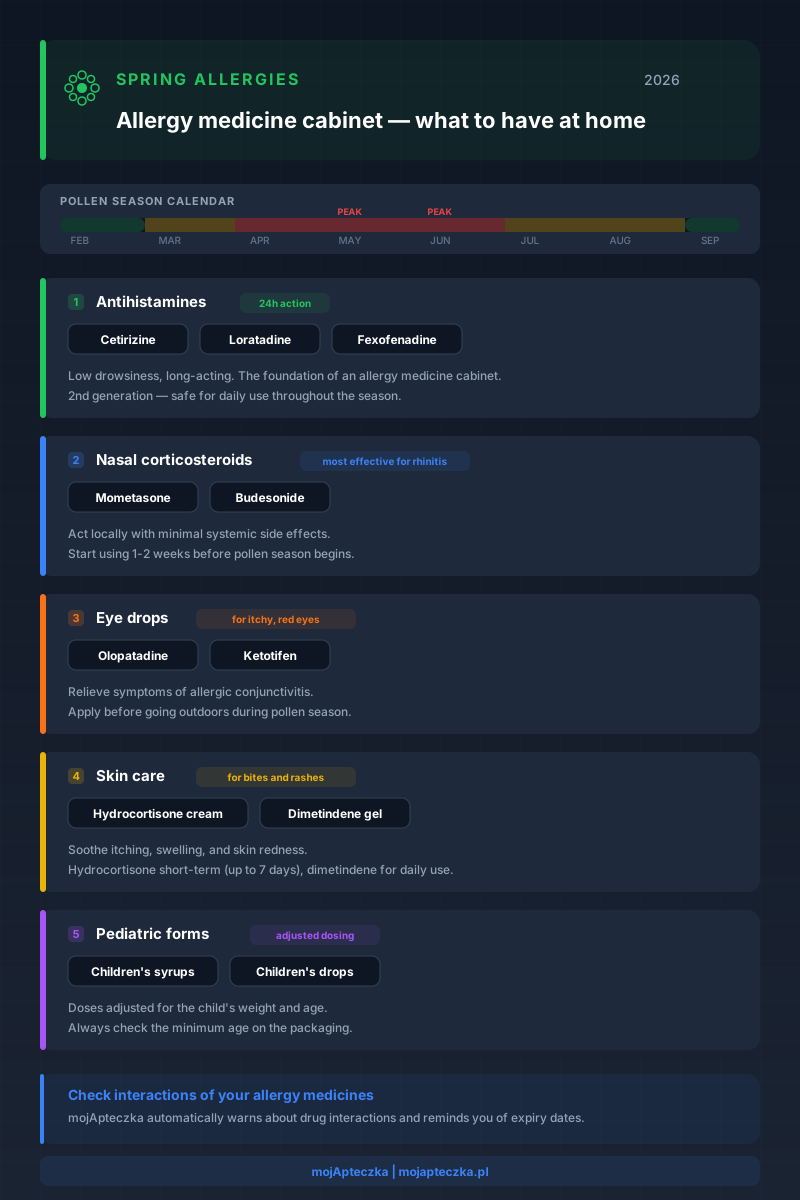
March. The first warm days, the first flowers, the first pollen in the air. And the first symptoms for millions of people in Poland, for whom spring means not the joy of warmer weather, but sneezing, watery eyes, a blocked nose, and a constant feeling of tiredness.
Inhalant allergy affects around 25-30% of the population in Poland — that is one in four people around you. Pollen season lasts from the end of February (alder, hazel) to September (grasses, mugwort), with the highest intensity in April and May, when birch and grasses release pollen. If you have allergies or someone in your family does, your home medicine cabinet should be ready for the season — because symptoms do not wait until you have the right medicine to hand.
What spring allergies are and when they get worse
A spring allergy is an immune-system reaction to plant pollen — proteins that are harmless to most people, but in allergy sufferers trigger a cascade of inflammatory reactions. Histamine released by mast cells causes swelling of the mucous membranes, mucus production, itching, and sneezing.
In Poland, pollen season has clear phases:
- February-March: Hazel, alder — the first allergens, often underestimated.
- April-May: Birch — the main allergen in Poland, responsible for the largest number of allergic rhinitis cases. Birch pollen can travel hundreds of kilometres.
- May-July: Grasses — the second most important allergen. The grass season is longer and more spread out than the birch season.
- July-September: Mugwort, goosefoot — late-summer allergens.
The severity of symptoms depends on the pollen concentration in the air, which in turn depends on the weather — warm, dry, windy days are the worst scenario for an allergy sufferer. Rain brings relief because it washes pollen out of the air.
Which OTC medicines should be in an allergy sufferer’s medicine cabinet
A home medicine cabinet for pollen season does not need to be extensive. A few categories of medicines are enough to control symptoms and avoid being caught off guard.
Oral antihistamines — the foundation of treatment
Antihistamines are the first line of defence against allergies. They block histamine receptors, reducing sneezing, runny nose, itching, and watery eyes.
Choose second-generation medicines:
- Cetirizine (Zyrtec, Allertec) — fast onset of action (30-60 min), effect lasts up to 24 hours. It may cause mild drowsiness in some people.
- Loratadine (Claritine, Loratan) — practically non-drowsy, a good choice if you need to drive.
- Fexofenadine (Allegra, Telfast) — the newest of the three, minimal drowsiness, does not interact with grapefruit juice (unlike some older antihistamines).
Avoid first-generation medicines (diphenhydramine, clemastine, promethazine) as standard treatment for seasonal allergy. They cause strong drowsiness, impair driving ability, and have a shorter duration of action (4-6 hours vs 24 hours).
Keep a full pack in your medicine cabinet — not half a blister left over from last year. Check the expiry date before the season starts — if you use mojApteczka, expiry date alerts will let you know automatically.
Nasal drops and sprays
A blocked nose is one of the most troublesome allergy symptoms. There are two types of intranasal allergy products:
Intranasal corticosteroids — the most effective option for allergic rhinitis. Mometasone (Nasonex OTC), budesonide, beclometasone. They work on inflammation, swelling, runny nose, and sneezing at the same time. They require regular use (1-2 weeks for full effect). Do not confuse them with decongestant drops (oxymetazoline) — these are not suitable for long-term use.
Sodium cromoglicate — a mast-cell-stabilising spray. Less effective than steroids, but safe and well tolerated. It needs to be used 3-4 times a day. It works best preventively, before contact with the allergen.
Eye drops
Allergic conjunctivitis — red, itchy, watery eyes — is a symptom that can make everyday life genuinely difficult. It is worth keeping the following in your medicine cabinet:
- Antihistamine drops (e.g. olopatadine, ketotifen) — quick relief from itching and redness.
- Artificial tears — moisturise the eyes and rinse allergens away.
Skin medicines
Allergic eczema, hives, and reactions to insect bites (which become more common in spring) call for:
- Hydrocortisone cream (0.5% over the counter) — for itching and local inflammation.
- Dimetindene gel (Fenistil) — for insect bites.
How to build a medicine cabinet for pollen season
Here is a practical checklist — print it or check it on your phone before your next visit to the pharmacy:
- Oral antihistamine (cetirizine / loratadine / fexofenadine) — full pack, in date.
- Corticosteroid nasal spray (mometasone / budesonide) — if you have allergic rhinitis.
- Antihistamine eye drops — if you have eye symptoms.
- Artificial tears — for moisturising and rinsing.
- Tissues — lots of tissues.
- Hydrocortisone cream — for skin allergy symptoms.
- Paediatric versions — if you have children with allergies (syrups, drops in suitable doses).
If you want to be sure nothing is missing and nothing has expired, scan the contents of your medicine cabinet in mojApteczka. You can also search your medicine cabinet by intended use — the search by indication feature lets you type in “allergy” and see which medicines in your cabinet match that indication.
When OTC medicines are not enough
Self-treatment with over-the-counter medicines has its limits. Consult a doctor (an allergist or GP) if:
- Symptoms do not improve despite regular use of antihistamines and an intranasal steroid.
- You have allergic asthma — shortness of breath, cough, wheezing during pollen season.
- Symptoms significantly affect your sleep quality or daily functioning.
- You are considering immunotherapy (desensitisation) — the only treatment method that addresses the cause of the allergy, not just the symptoms.
- You need to take allergy medicines for more than 2-3 months a year.
Your doctor may prescribe stronger products (such as montelukast or azelastine) or refer you for allergy testing, which will identify exactly what you react to.
How to prepare for the season
A few practical spring rules:
- Start taking medicines preventively — 1-2 weeks before the expected start of pollen release. Antihistamines work better when you start them before exposure.
- Check your medicine cabinet now — do not wait for the first sneezing attack. Check expiry dates and replenish anything that is missing. In mojApteczka, this takes a few minutes.
- Monitor pollen levels — apps such as “Pyłek” or the website of the Centre for Research on Environmental Allergens provide daily pollen forecasts.
- Reduce exposure — air your home in the morning (lower pollen concentration), wash your face and eyes when you return home, change clothes, and bring drying laundry inside.
- Keep a list of your medicines — especially important if you take several products at the same time. Check whether there are any drug interactions in your medicine cabinet.
Allergy is not “just sneezing”
Untreated spring allergy is not a minor inconvenience. Chronic inflammation of the mucous membranes can lead to sinusitis, worsening asthma, sleep problems, and a clear drop in quality of life. Children with allergies learn and concentrate less well. Adults lose productivity at work.
A well-stocked medicine cabinet and an informed approach to treating symptoms help you get through pollen season with minimal discomfort. Start by checking what you already have in the cupboard — the rest is a matter of one visit to the pharmacy.
If you want to keep your home medicine cabinet organised and know what you have and when it expires, try mojApteczka. Allergy season is too short to spend it searching through drawers for medicines. The Android app is also available on Google Play.
Medical disclaimer: This article is for informational and educational purposes only. It does not constitute medical advice and is not a substitute for consultation with a doctor or pharmacist. If you have doubts about allergy treatment, consult an allergist. In the event of a severe allergic reaction (anaphylaxis), call 112.
Have questions or suggestions? Write to us: kontakt@mojapteczka.pl
Frequently asked questions
- Which antihistamines are best for spring allergies?
- Second-generation antihistamines — cetirizine, loratadine, and fexofenadine — are recommended as first-line treatment. They work quickly (30-60 minutes), last for 24 hours, and cause much less drowsiness than first-generation medicines. The specific product you choose depends on your individual response — if cetirizine makes you drowsy, try loratadine or fexofenadine.
- When should I start taking spring allergy medicines?
- It is best to start 1-2 weeks before the expected start of pollen season. For tree pollen allergies (birch, alder), this is usually late February or early March. Preventive use of antihistamines is more effective than reacting once symptoms have already appeared.
- Can I use corticosteroid nasal sprays without a prescription?
- In Poland, some mometasone or beclometasone products are available over the counter. Intranasal corticosteroids are considered the most effective medicine for allergic rhinitis — they work on all symptoms (sneezing, itching, runny nose, blocked nose). They need to be used regularly for several days before they reach full effectiveness.
- How can I tell an allergy from a cold?
- An allergy lasts longer than a cold (weeks vs 7-10 days), does not cause a fever, and the nasal discharge is watery and clear (not thick and yellow). Symptoms also get worse outdoors and after contact with allergens. Sneezing in bursts and an itchy nose or eyes are typical allergy symptoms and are rare with a cold.
- Can children take the same allergy medicines as adults?
- No — children need products in suitable doses and forms (syrups, drops). Cetirizine and loratadine are available in paediatric forms. Dosage depends on the child's age and weight. Before giving an allergy medicine to a child under 2 years old, consult a paediatrician.
- Where can I check whether my allergy medicines have expired?
- In the mojApteczka app, you can scan medicine packages and automatically track their expiry dates. The expiry date alerts feature will notify you before they expire — so you will not discover at the height of the season that your antihistamine is out of date.