Medicines and Pregnancy — Which Are Safe and Which to Avoid
The moment a pregnancy test shows two lines, every decision takes on a different weight. What you eat, how you sleep, what you breathe — all of it suddenly matters in ways it never did before. But one area catches many expectant mothers off guard: the medicine cabinet. That bottle of ibuprofen you reach for without thinking, the antihistamine you take every spring, the heartburn tablet you pop after dinner — each of these carries a question mark you cannot afford to ignore.
Roughly 80 percent of pregnant women take at least one medication during pregnancy, according to data from the World Health Organization. Many of those medications are perfectly fine. Some are not. The difference between the two is not always obvious, and the packaging rarely helps.
This guide walks through the principles that matter, the medicines that are generally considered safe, the ones to avoid, and the overlooked risks hiding in over-the-counter products.
The General Rules Every Expectant Mother Should Know
Before looking at specific medicines, there are a few principles worth memorising.
First trimester caution is paramount. The first twelve weeks are when the major organs form. Drug exposure during this window carries the highest risk of structural birth defects. If you can delay non-urgent treatment until the second trimester, discuss that option with your doctor.
No medicine is proven 100 percent safe in pregnancy. Clinical trials almost never include pregnant women for ethical reasons. Safety data comes from animal studies, registries of accidental exposures, and decades of observational use. When a doctor says a medicine is “safe,” they mean the available evidence shows no increased risk — not that risk is zero.
The risk of untreated illness also matters. Stopping a necessary medication can sometimes be more dangerous than taking it. Uncontrolled epilepsy, severe asthma, untreated depression, or dangerously high blood pressure all carry their own risks to mother and baby. Treatment decisions are always about balance.
Dose and timing matter as much as the drug itself. A single dose of a borderline medication is very different from daily use for months. Context is everything.
Medicines Generally Considered Safe
The following medications have a long track record of use in pregnancy and are widely regarded as low-risk when taken at recommended doses. This is not a substitute for medical advice — always confirm with your healthcare provider.
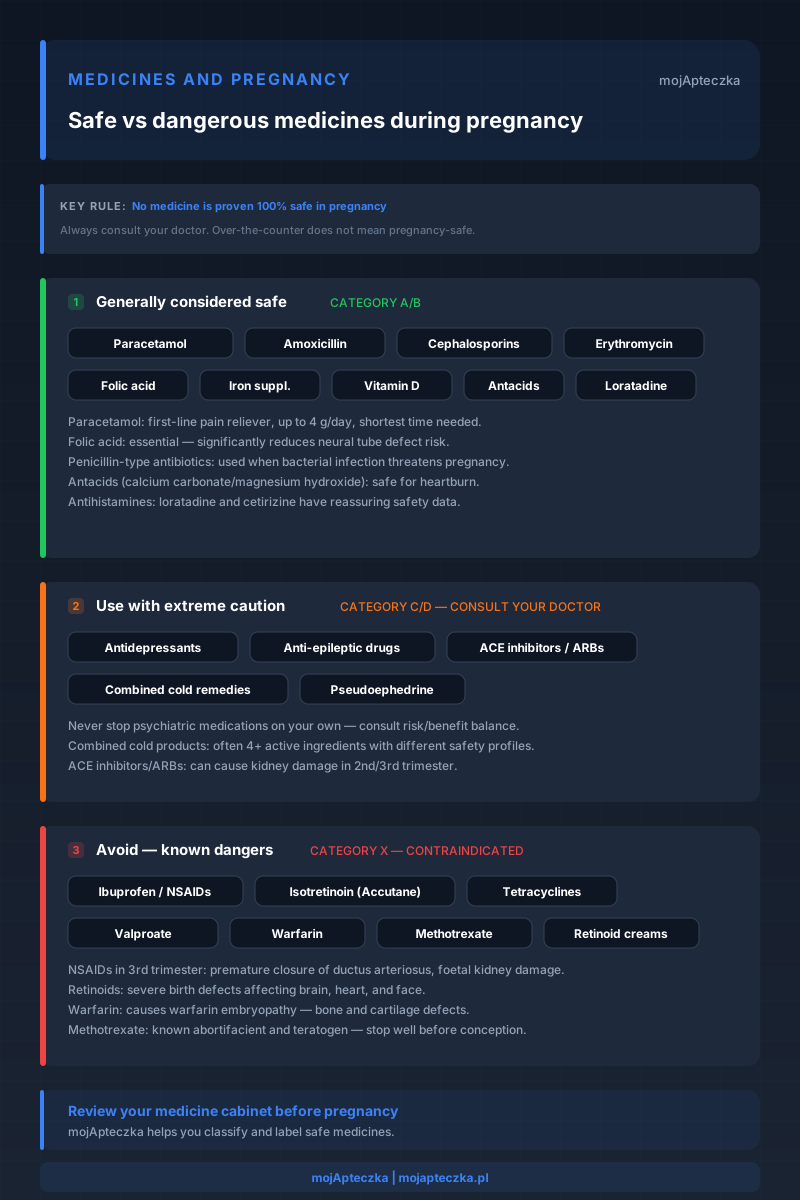
Paracetamol (acetaminophen) remains the first-line pain reliever and fever reducer throughout pregnancy. It has been used for decades with no confirmed link to birth defects when taken at standard doses. Keep doses at or below 1 gram per dose, no more than 4 grams per day, and use it for the shortest time needed.
Certain antibiotics — penicillins (amoxicillin, ampicillin), cephalosporins, and erythromycin — are generally considered compatible with pregnancy. Urinary tract infections and bacterial infections still need treatment; untreated infections carry real risks.
Iron and folic acid supplements are not only safe but actively recommended. Folic acid before conception and through the first trimester significantly reduces the risk of neural tube defects.
Some antihistamines — loratadine and cetirizine — are commonly used for allergies during pregnancy with reassuring safety data. First-generation antihistamines like chlorphenamine are also considered acceptable.
Antacids containing calcium carbonate or magnesium hydroxide can help with the heartburn that plagues many pregnancies, particularly in the third trimester.
What to Avoid — The Clear Dangers
Some medicines carry well-documented risks and should be avoided unless there is absolutely no alternative and the prescribing doctor has weighed every option.
NSAIDs (ibuprofen, naproxen, aspirin at analgesic doses) are particularly risky in the third trimester. They can cause premature closure of the ductus arteriosus — a critical blood vessel in the foetal heart. Earlier in pregnancy, they have been linked to increased miscarriage risk, though the data is less definitive. Paracetamol is the safer alternative for pain.
Retinoids (isotretinoin, acitretin) used for severe acne and skin conditions are among the most potent known teratogens. They cause severe birth defects affecting the brain, heart, and face. Women of childbearing age taking these drugs are typically enrolled in strict pregnancy prevention programmes.
Certain anti-epileptic drugs — valproate in particular — carry significant risks of neural tube defects and developmental delays. If you take anti-epileptic medication and are planning a pregnancy, talk to your neurologist well in advance. Switching to a safer alternative takes time and careful management.
ACE inhibitors and ARBs (blood pressure medicines like enalapril, losartan) can cause kidney damage and other serious problems in the developing foetus, especially in the second and third trimesters.
Warfarin crosses the placenta and can cause a characteristic pattern of birth defects known as warfarin embryopathy, particularly with first-trimester exposure. Heparin-based anticoagulants are the usual alternative during pregnancy.
Methotrexate, used for rheumatoid arthritis and certain cancers, is a known abortifacient and teratogen. It must be stopped well before conception.
The OTC Traps — What Looks Harmless But Is Not
Over-the-counter medicines feel safe precisely because they do not require a prescription. That feeling is misleading during pregnancy.
Combined cold-and-flu remedies are the biggest trap. A single sachet might contain paracetamol (fine), pseudoephedrine (questionable — may reduce blood flow to the placenta), and ibuprofen (avoid in late pregnancy). You cannot evaluate what you do not know is in the packet.
Herbal supplements and “natural” remedies sit in a regulatory grey zone. St John’s Wort, high-dose vitamin A, certain herbal teas — these are not tested for pregnancy safety and can interact with other medicines or have direct effects on the pregnancy.
Bismuth subsalicylate (found in some stomach remedies) contains a salicylate — chemically related to aspirin — and is not recommended during pregnancy.
Decongestant nasal sprays containing oxymetazoline or xylometazoline have limited safety data in pregnancy. Saline nasal sprays are a safer first option for congestion.
Read the ingredients list, not just the brand name. The same brand often sells multiple formulations, and the pregnancy-safe version of a product may sit right next to a version that is not.
How mojApteczka Helps You Stay Safe
Managing medicines during pregnancy means keeping track of what is in your cabinet, what is safe, and what needs to go. mojApteczka is built to help with exactly that.
The paediatric and pregnancy classification feature lets you quickly check how a medicine is categorised for use during pregnancy and breastfeeding. Instead of searching through conflicting information online, you get structured, clear guidance attached directly to each medicine in your digital cabinet.
Use the notes feature to record your doctor’s specific advice for each medicine — “approved by Dr Kowalska for second trimester use” or “stop at 36 weeks.” These notes stay attached to the medicine entry, so you do not have to rely on memory or scraps of paper.
When you add a new medicine, mojApteczka’s scanning and classification tools help you understand what you are actually dealing with before you take anything.
When to Call Your Doctor Immediately
Some situations require urgent medical advice, not a web search:
- You accidentally took a medicine you now realise may be unsafe during pregnancy
- You are experiencing a new symptom and are unsure whether to self-treat
- You have been prescribed a new medicine by a doctor who may not know you are pregnant
- You are considering stopping a regular medication because of pregnancy concerns — stopping abruptly can be dangerous for some drugs
- You are in the first trimester and developed a fever above 38 degrees Celsius that is not responding to paracetamol
Never stop a prescribed medication without consulting the prescribing doctor. The decision to continue, adjust, or switch a medicine during pregnancy should always be made together with a healthcare professional who knows your full medical history.
Building a Pregnancy-Safe Medicine Cabinet
As a practical step, go through your medicine cabinet early in pregnancy — or better yet, while planning conception. Remove or set aside anything that falls into the “avoid” category. Restock with pregnancy-compatible alternatives. Use mojApteczka to catalogue everything, attach notes from your healthcare provider, and set reminders for prenatal supplements.
Pregnancy is not the time for guesswork with medicines. The information is available, the tools exist, and your healthcare team is there to guide you.
Start organising your pregnancy-safe medicine cabinet today at mojapteczka.pl. You can also download the Android app from Google Play.