Spring Allergies — What Medicines to Have at Home
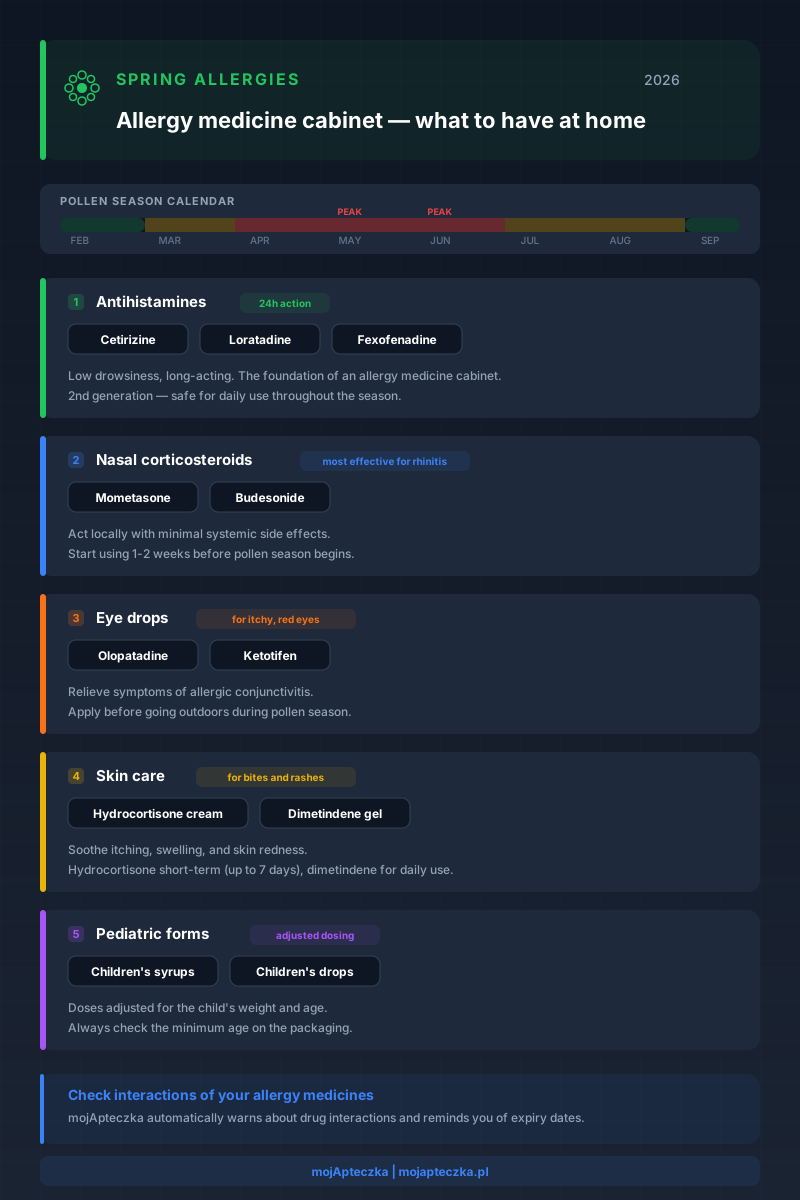
Every spring, roughly one in four adults in Europe wakes up to the same unwelcome ritual: itchy eyes, a streaming nose, and a throat that feels like it has been lined with sandpaper. Seasonal allergic rhinitis — hay fever — is one of the most common chronic conditions in the developed world, and its prevalence is still climbing. Yet the majority of allergy sufferers manage the condition reactively, reaching for medicines only after the sneezing has started, often discovering that the box in the cabinet expired last autumn.
This article is a practical, clinically grounded guide to building and maintaining a spring allergy medicine kit at home. We cover the specific drug classes you need, explain how they work, and give you a ready-made checklist you can act on today — well before peak pollen season turns your living room into a tissue graveyard.
What Spring Allergies Are and When They Peak
Seasonal allergic rhinitis is an IgE-mediated immune response to airborne pollen. Your immune system misidentifies harmless pollen proteins as a threat, triggering the release of histamine and other inflammatory mediators from mast cells. The result is the classic symptom cascade: sneezing, nasal congestion, clear rhinorrhoea (runny nose), itchy and watery eyes, and sometimes a persistent dry cough.
The Pollen Calendar
Not all pollen arrives at once. Understanding the timing helps you prepare the right medicines at the right moment.
- Late February to April — Tree pollen. Alder, hazel, and birch are the primary culprits in Central and Northern Europe. Birch pollen is one of the most potent allergens and peaks in late March through April. If your symptoms start before the grass grows, trees are almost certainly the cause.
- May to July — Grass pollen. This is the peak hay fever window for most people. Timothy grass, ryegrass, and meadow fescue release enormous quantities of pollen, and windy days can push concentrations to extreme levels.
- July to September — Weed pollen. Mugwort, plantain, and in some regions ragweed extend the season into late summer and early autumn.
In practice, many allergy sufferers are sensitive to more than one pollen type, which means their symptom window can stretch from March through September. If you are unsure what triggers your allergies, an allergist can perform skin-prick testing or specific IgE blood tests to identify your sensitisation profile.
The key takeaway: if you have a tree pollen allergy, your season starts in weeks — not months. Your medicine cabinet needs to be ready now.
Which OTC Medicines Should Be in Your Allergy Cabinet
There are four main categories of over-the-counter allergy medicines. Each targets a different part of the allergic response, and the most effective approach for moderate-to-severe symptoms is to combine them rather than relying on a single drug.
1. Second-Generation Oral Antihistamines
These are the backbone of allergy treatment. They block histamine H1 receptors, reducing sneezing, itching, and rhinorrhoea. Second-generation antihistamines — as opposed to older first-generation drugs like chlorphenamine or diphenhydramine — cross the blood-brain barrier far less readily, which means significantly less drowsiness.
The three to know:
- Cetirizine (brand names include Zyrtec, Allertec). Dose: 10 mg once daily for adults. Onset of action: 30-60 minutes. Duration: 24 hours. Among the three, cetirizine is the most likely to cause mild sedation in some individuals, though far less than first-generation antihistamines.
- Loratadine (brand names include Claritin, Claritine). Dose: 10 mg once daily. Virtually non-sedating. A good first choice if you drive frequently or operate machinery.
- Fexofenadine (brand names include Allegra, Telfast). Dose: 120 mg or 180 mg once daily. The least sedating of the three. Does not cross the blood-brain barrier at clinically relevant levels. Preferred for people who experienced drowsiness with cetirizine.
Practical advice: All three are effective. If one does not provide adequate relief after 5-7 days of consistent use, switch to another. Individual response varies. Always take them daily throughout the pollen season, not just on “bad days” — consistent use is more effective than sporadic dosing.
For children: Cetirizine and loratadine are available in paediatric syrups and drops. Dosing depends on the child’s age and weight. Cetirizine drops can be given from 2 years of age (2.5 mg twice daily for ages 2-6), while loratadine syrup is typically approved from age 2 (5 mg once daily for children under 30 kg). Always check the product leaflet or consult your paediatrician. You can look up age-appropriate dosing and alternative formulations using the search by indication feature in mojApteczka.
2. Intranasal Corticosteroid Sprays
Clinical guidelines from the European Academy of Allergology and Clinical Immunology (EAACI) and the ARIA consortium consider intranasal corticosteroids the single most effective treatment for allergic rhinitis. They reduce inflammation directly at the nasal mucosa, addressing all four cardinal nasal symptoms: sneezing, itching, rhinorrhoea, and — crucially — congestion, which antihistamines alone often fail to control.
Key OTC options:
- Mometasone furoate (Nasonex, and various generics). One of the most widely available OTC nasal corticosteroids in the EU. Dose: 2 sprays per nostril once daily (200 mcg total). Minimal systemic absorption.
- Beclomethasone dipropionate (Beconase, and generics). Available OTC in many countries. Dose: 2 sprays per nostril twice daily. Slightly older formulation but well-established safety profile.
- Fluticasone propionate (Flixonase, Avamys). Available OTC in several markets. Dose: 2 sprays per nostril once daily.
Critical point: Nasal corticosteroids need 3-7 days of regular use to reach full effectiveness. They are not rescue medicines — you cannot spray them once on a high-pollen day and expect immediate relief. Start using them 1-2 weeks before your expected symptom onset, and continue daily throughout the season. This is prophylactic treatment, and it works far better than reactive use.
Technique matters. Aim the spray towards the outer wall of the nostril, away from the nasal septum. Breathe in gently — do not sniff hard. Incorrect technique reduces drug deposition and increases the risk of nosebleeds.
3. Allergy Eye Drops
Allergic conjunctivitis — red, itchy, watery eyes — affects the majority of hay fever sufferers and is often the most bothersome symptom. Oral antihistamines help, but topical eye drops provide faster, more targeted relief.
What to stock:
- Antihistamine eye drops — containing azelastine or ketotifen. These work within minutes and can be used as needed alongside oral antihistamines. Ketotifen drops (e.g. Zaditen) are widely available OTC and also have mast-cell-stabilising properties, providing both immediate and preventive action.
- Sodium cromoglicate eye drops (Opticrom, and generics). A mast-cell stabiliser that prevents histamine release. Needs to be used regularly (4 times daily) for best results. Very safe, minimal side effects, and suitable for children. Start before symptoms appear for prophylactic effect.
- Artificial tears / lubricant drops. Even if they are not technically allergy medicines, preservative-free lubricant drops help by physically washing pollen from the ocular surface and soothing irritated tissue. Keep a small bottle in your bag during pollen season.
Warning: Do not use vasoconstrictor eye drops (those that “get the red out”) for more than a few days. They cause rebound redness and can worsen the problem over time.
4. Topical Skin Treatments
Allergies do not always stay in the nose and eyes. Contact with pollen can trigger skin reactions — itchy patches, hives, or worsened eczema — especially in children.
- Hydrocortisone cream (1%). Available OTC. Apply thinly to affected areas for short-term relief of itchy skin reactions. Do not use on the face for more than 5 days without medical advice.
- Antihistamine gel or cream — containing dimetindene (Fenistil) or similar. Useful for localised itching from insect bites or minor allergic skin reactions.
- Emollient cream. For allergy sufferers with eczema or dry skin that worsens in pollen season, a good fragrance-free emollient is essential maintenance, not a luxury.
Before combining multiple allergy medicines, especially if anyone in the household takes prescription medication, check for potential interactions. The drug interactions checker in mojApteczka lets you verify compatibility quickly, without needing to call a pharmacist at midnight.
Your Spring Allergy Kit — The Practical Checklist
Here is what should be in your medicine cabinet before pollen season hits. Print this list, open your cabinet, and cross off what you already have. Replace anything that is expired or nearly empty.
Oral medicines:
- Second-generation antihistamine tablets — cetirizine, loratadine, or fexofenadine (at least one full box per allergy sufferer)
- Paediatric antihistamine syrup or drops, if you have children with allergies
Nasal treatments:
- Intranasal corticosteroid spray — mometasone, fluticasone, or beclomethasone (one per person; do not share nasal sprays)
- Saline nasal spray or rinse solution (for daily nasal irrigation — washes out pollen mechanically)
Eye care:
- Antihistamine eye drops — azelastine or ketotifen
- Preservative-free artificial tears
- Sodium cromoglicate drops (if you have chronic allergic conjunctivitis)
Skin care:
- Hydrocortisone 1% cream
- Antihistamine gel (dimetindene or similar)
- Fragrance-free emollient
Accessories:
- Tissues (always more than you think you need)
- Sunglasses (wraparound styles reduce pollen reaching the eyes)
- A pollen-tracking app or website bookmarked on your phone
This is not an exhaustive pharmacy order. It is a targeted selection of the medicines that clinical evidence supports as effective first-line treatment for seasonal allergic rhinitis and its associated symptoms. If you have mild symptoms controlled by antihistamines alone, you may not need every item. If your symptoms are severe, you will likely need the full combination.
When OTC Medicines Are Not Enough
Over-the-counter treatment handles the majority of seasonal allergy cases. But there are clear signals that you need to see a doctor — an allergist or your GP.
See a doctor if:
- Your symptoms persist despite 2-3 weeks of consistent combined treatment (oral antihistamine + nasal corticosteroid).
- You are using a nasal decongestant spray (oxymetazoline, xylometazoline) for more than 5-7 consecutive days. These are not allergy medicines — they are short-term rescue drugs, and prolonged use causes rebound congestion (rhinitis medicamentosa) that is worse than the original problem.
- You develop asthma symptoms: wheezing, chest tightness, shortness of breath, or a persistent cough that worsens at night or with exercise. Up to 40% of allergic rhinitis patients also have or will develop allergic asthma, and the two conditions need to be managed together.
- Your symptoms significantly impair your sleep, your work performance, or your daily functioning despite treatment.
- You are pregnant or breastfeeding and unsure which medicines are safe. Some antihistamines (cetirizine, loratadine) are generally considered acceptable, but this is a conversation to have with your doctor, not a decision to make from a blog post.
Prescription-level treatments your doctor may consider include montelukast (a leukotriene receptor antagonist), prescription-strength nasal sprays combining corticosteroid and antihistamine (e.g. fluticasone/azelastine), and allergen immunotherapy (allergy shots or sublingual tablets) — the only treatment that modifies the underlying disease rather than just suppressing symptoms.
How to Prepare for the Season
The most effective allergy management is proactive, not reactive. Here is how to stay ahead of the pollen.
Start treatment early
Begin your nasal corticosteroid spray 1-2 weeks before your expected symptom onset. If birch pollen is your trigger and it typically starts in your region in mid-March, begin spraying in early March. Start oral antihistamines at the same time. By the time pollen concentrations peak, your medication will already be at full therapeutic levels, and your symptoms will be significantly milder than if you waited until the sneezing started.
Check your existing stock
Open the medicine cabinet now. Not in April when your eyes are already red. Check the expiry dates on every allergy medicine you own. A box of cetirizine that expired in November is not going to help you in March. Nasal sprays that have been opened for more than six months should be discarded — the preservative system may no longer be effective, and bacterial contamination is a real risk with nasal delivery devices.
Tracking expiry dates manually is tedious. The expiry date alerts feature in mojApteczka automates this — scan the package once, and the app will notify you before your medicines expire, giving you time to replace them before you actually need them.
Reduce pollen exposure
Medicines work better when you also minimise the allergen load reaching your mucous membranes.
- Monitor pollen forecasts daily. Many national meteorological services publish pollen maps and forecasts. Adjust your outdoor activities accordingly.
- Keep windows closed during high-pollen hours (typically late morning through early afternoon for grass pollen, morning for tree pollen).
- Shower and change clothes when you come home after prolonged outdoor exposure. Pollen clings to hair, skin, and fabric.
- Dry laundry indoors during peak season. Sheets dried outdoors collect pollen and then deposit it directly onto your face for eight hours while you sleep.
- Use a saline nasal rinse in the evening. A simple isotonic saline irrigation (neti pot or squeeze bottle) physically removes pollen particles from the nasal mucosa and soothes inflammation.
- Consider a HEPA air purifier for the bedroom if symptoms are severe.
Keep a medicine journal
Track which medicines you take, how effective they are, and any side effects. This information is invaluable if you need to see an allergist — it tells them exactly what has and has not worked, saving time and avoiding repeated trials of drugs you have already failed on. You can log this in mojApteczka alongside your full medicine inventory.
Plan for the whole household
If multiple family members have allergies, each person may respond differently to different antihistamines. One child may do well on cetirizine syrup while another needs loratadine. Keep track of who takes what and in what dose. Separate medicines clearly — sharing nasal sprays is an infection risk, and using an adult-strength preparation for a child is a dosing error waiting to happen.
The Bottom Line
Spring allergies are predictable, treatable, and manageable — but only if you prepare before the pollen arrives. A well-stocked allergy kit built around second-generation antihistamines, intranasal corticosteroids, targeted eye drops, and basic skin treatments will handle the majority of seasonal symptoms. Start treatment early, use medicines consistently rather than sporadically, and know when to escalate to a doctor.
Your medicine cabinet is your first line of defence. Make sure it is ready.
This article is for informational purposes only and does not constitute medical advice. It is not a substitute for professional medical consultation, diagnosis, or treatment. Always consult a qualified healthcare provider — your GP, allergist, or pharmacist — before starting any new medication. If you experience severe allergic reactions (difficulty breathing, swelling of the face or throat), call emergency services immediately.
Have questions or suggestions? Contact us at kontakt@mojapteczka.pl.